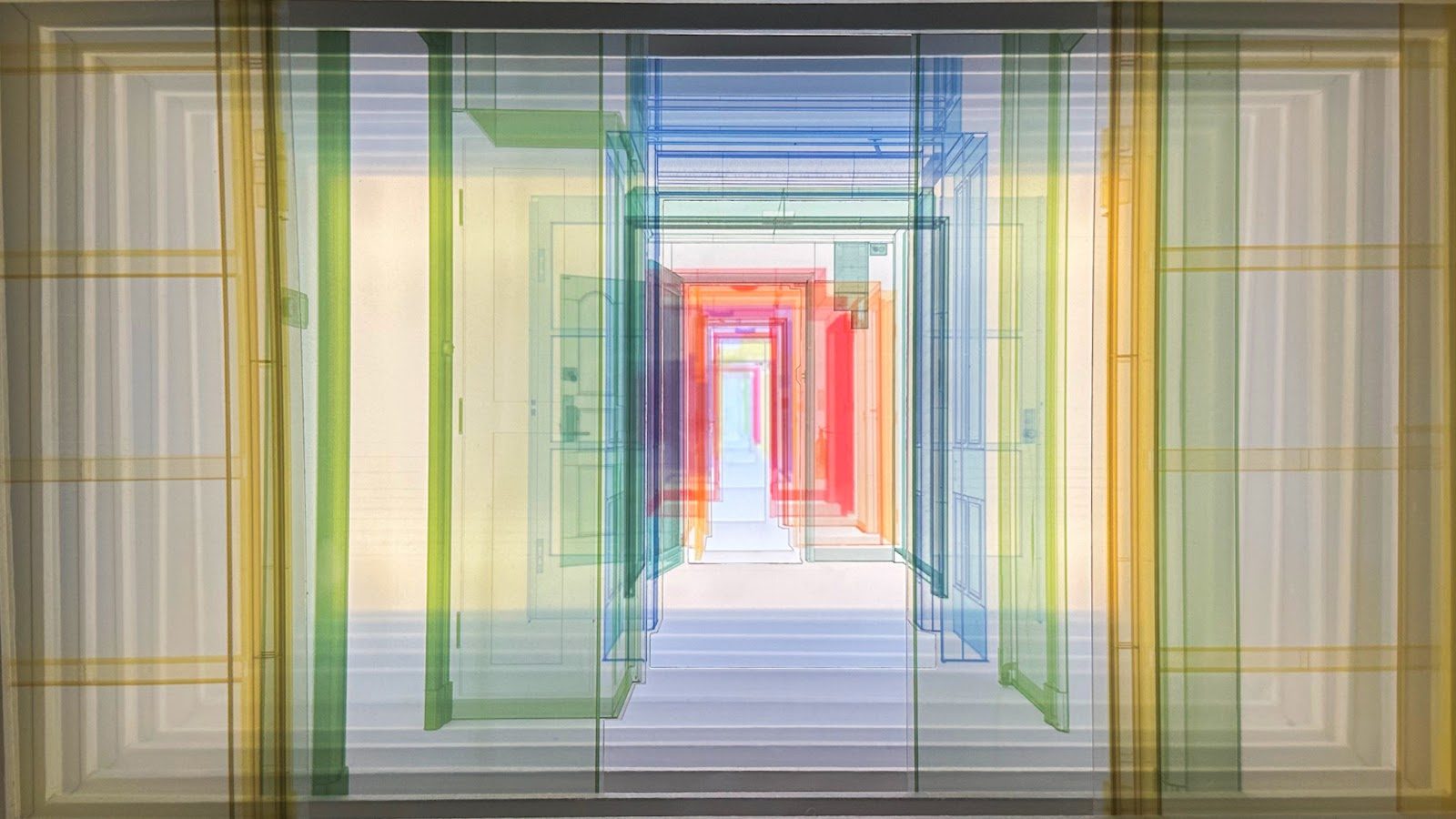
13년 만에 열린 서도호 전시, 다녀오셨나요?
온라인 티켓은 매진이고 현장 발권은 1시간 대기가 기본이 된 서도호 전시. 긴 줄을 기다려 들어간 전시의 주제는 '집'이었습니다. 건물의 외형이 아닌, 사람의 삶과 일상을 섬세하게 더듬는 여정이었죠. 그 과정에서 여러 아하모먼트를 마주했습니다.
이번 전시에서 제 발길을 오래 붙든 건 세 가지였어요. 한지로 지은 성북동 집, 색을 기대하고 갔다가 의미를 안고 나온 순간, 그리고 제 책상 위 머그컵에 서도호 미감을 입혀본 일까지. 순서대로 풀어볼게요.
한지로 지은 성북동 집 : 완벽함을 다시 정의하다
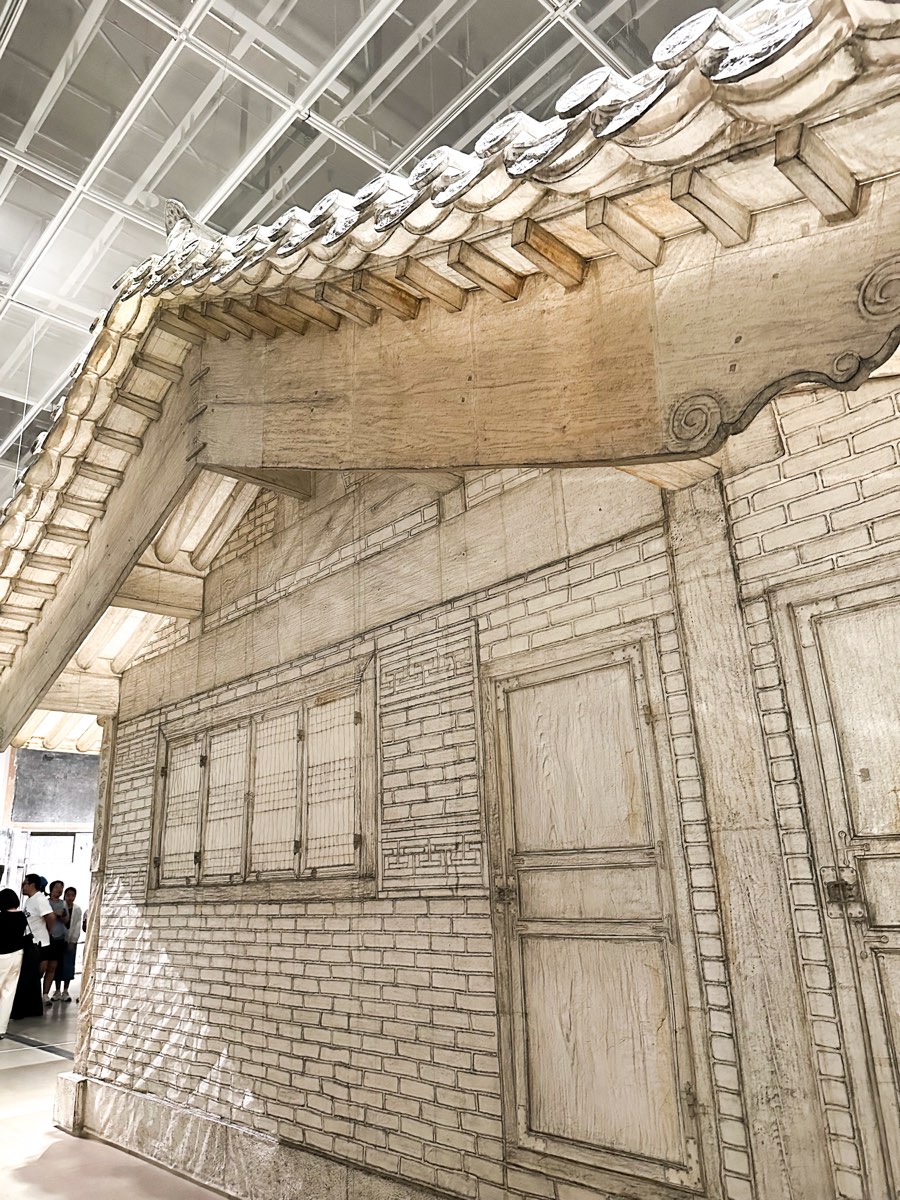
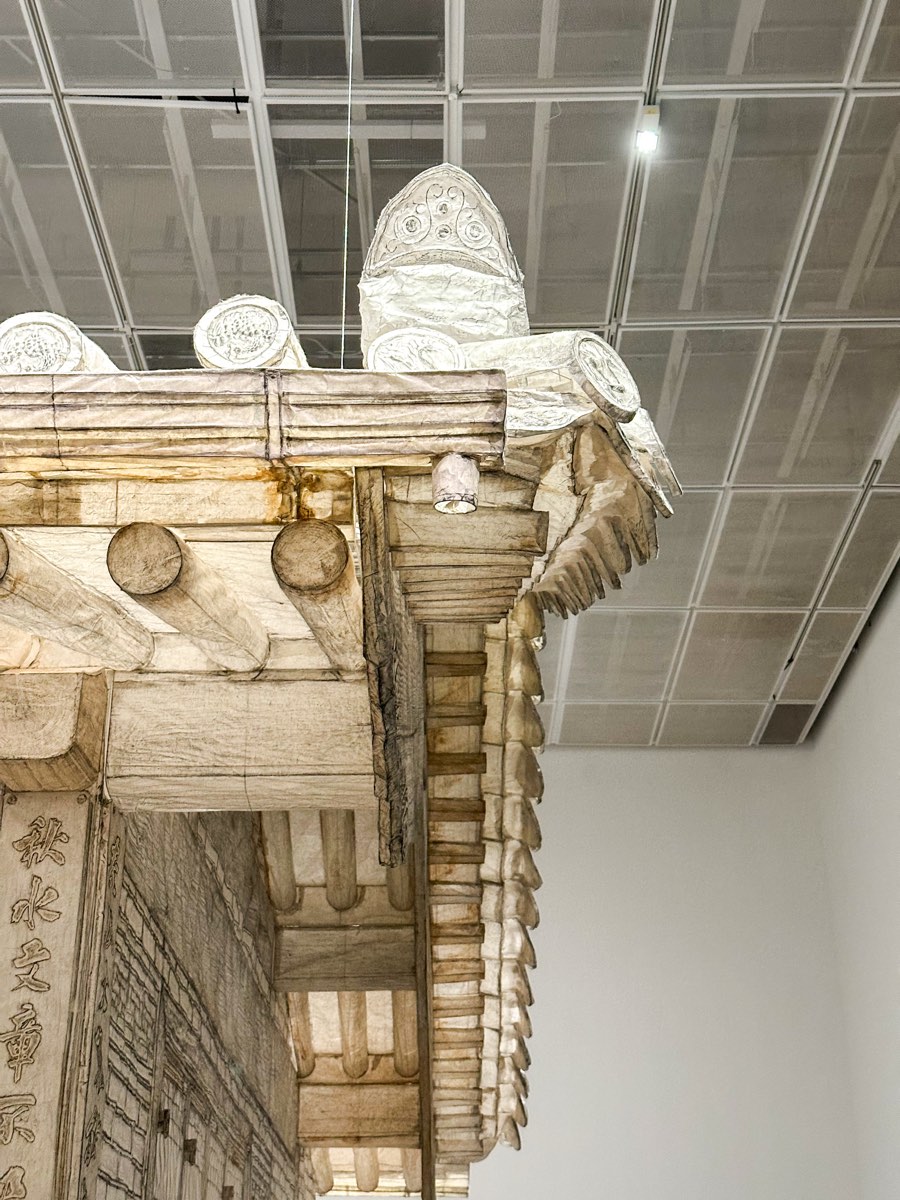
전시장에서 가장 먼저 시선을 사로잡은 건 서울 성북동 집을 한지로 옮겨 놓은 작품이었습니다. 처음에는 "이걸 대체 어떻게 만들었지?" 하며 감탄했고, 크기와 정교함에 빠져들었습니다.
이후 옆에서 상영되는 작업 영상을 관람한 뒤 같은 작품이 전혀 다르게 다가왔습니다. 한 땀 한 땀 쌓아 올린 과정은 우리가 일상에서 얼마나 완벽을 붙들고 사는지를 비추는 듯했습니다. 한지에 담긴 시간의 흐름이 자연스럽게 묻어나는 배경에는 비가 오는 날에도 작업을 멈추지 않고 이어간 집념이 있었습니다.
보통 미술 전시의 '작업물'은 항상 깔끔해야 하며 외부의 먼지나 빛 같은 자연 요소가 방해될 것이라 생각하기 쉽습니다. 실상은 그러한 요소가 없었다면 특유의 자연스러움과 현실감을 표현하지 못했을 것입니다.
진정한 완벽함은 일상에서 마주치는 수많은 장면이 모여 비로소 완성되는 것일지도 모릅니다.
화려한 '색감' 대신 '의미'가 주는 평안
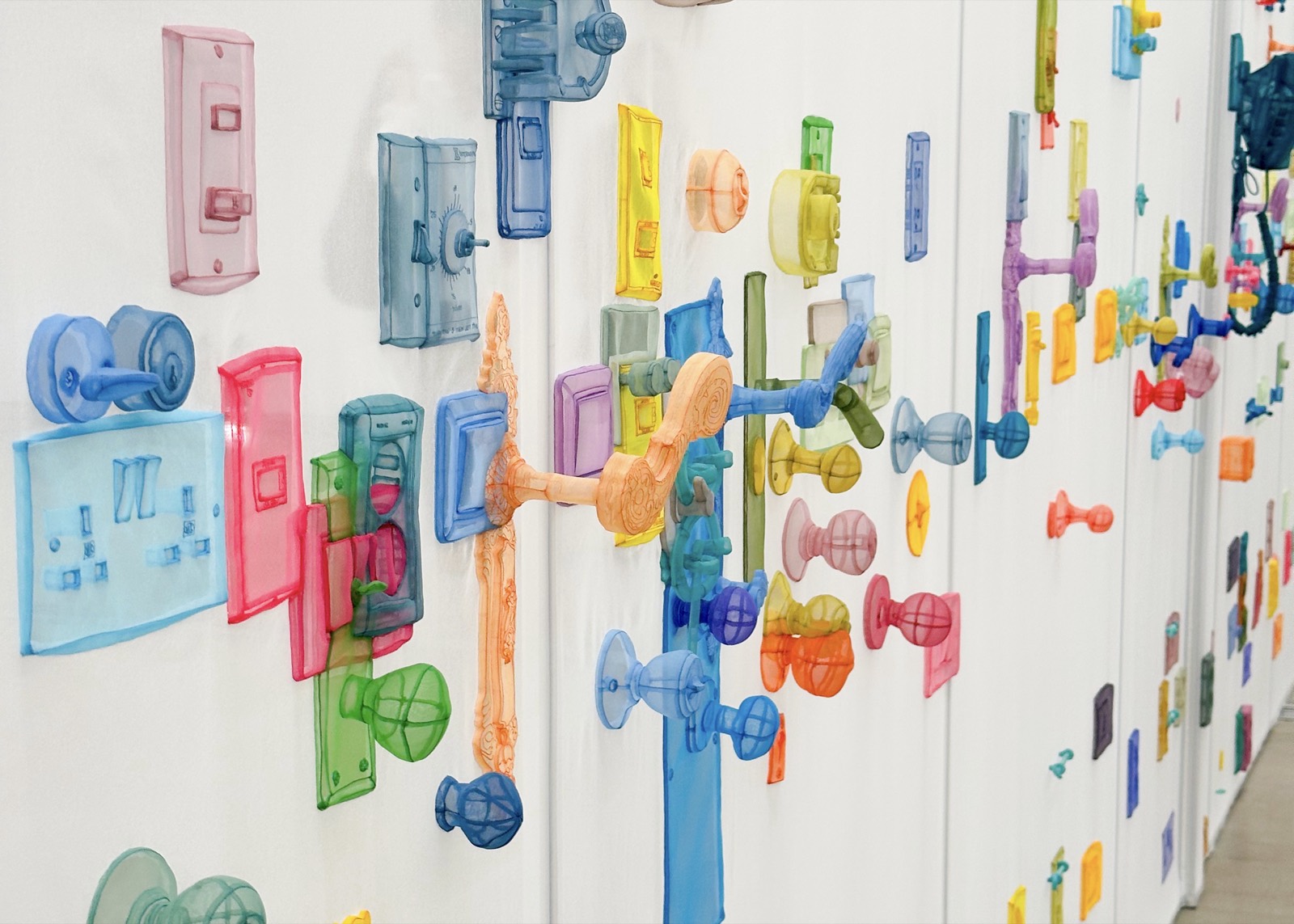
SNS 후기를 통해 작품의 화려한 색감을 미리 접했기에 색의 향연을 기대하고 방문했습니다.
정작 깊은 잔상을 남긴 것은 색 자체가 아니었습니다. 작품 요소 하나하나에 담긴 의미가 전시 내내 조용히 연결되며 마음을 편안하게 해주었습니다. 잘 정리된 방에 들어섰을 때 느껴지는 고요함처럼 말이죠.
문고리, CCTV, 인터폰처럼 시간의 흐름에 따라 고장 나고 기술 발전에 맞춰 변화한 물건들에 쌓인 추억의 힘은 생각보다 훨씬 컸습니다.
서도호 미감을 소환하는 마법문
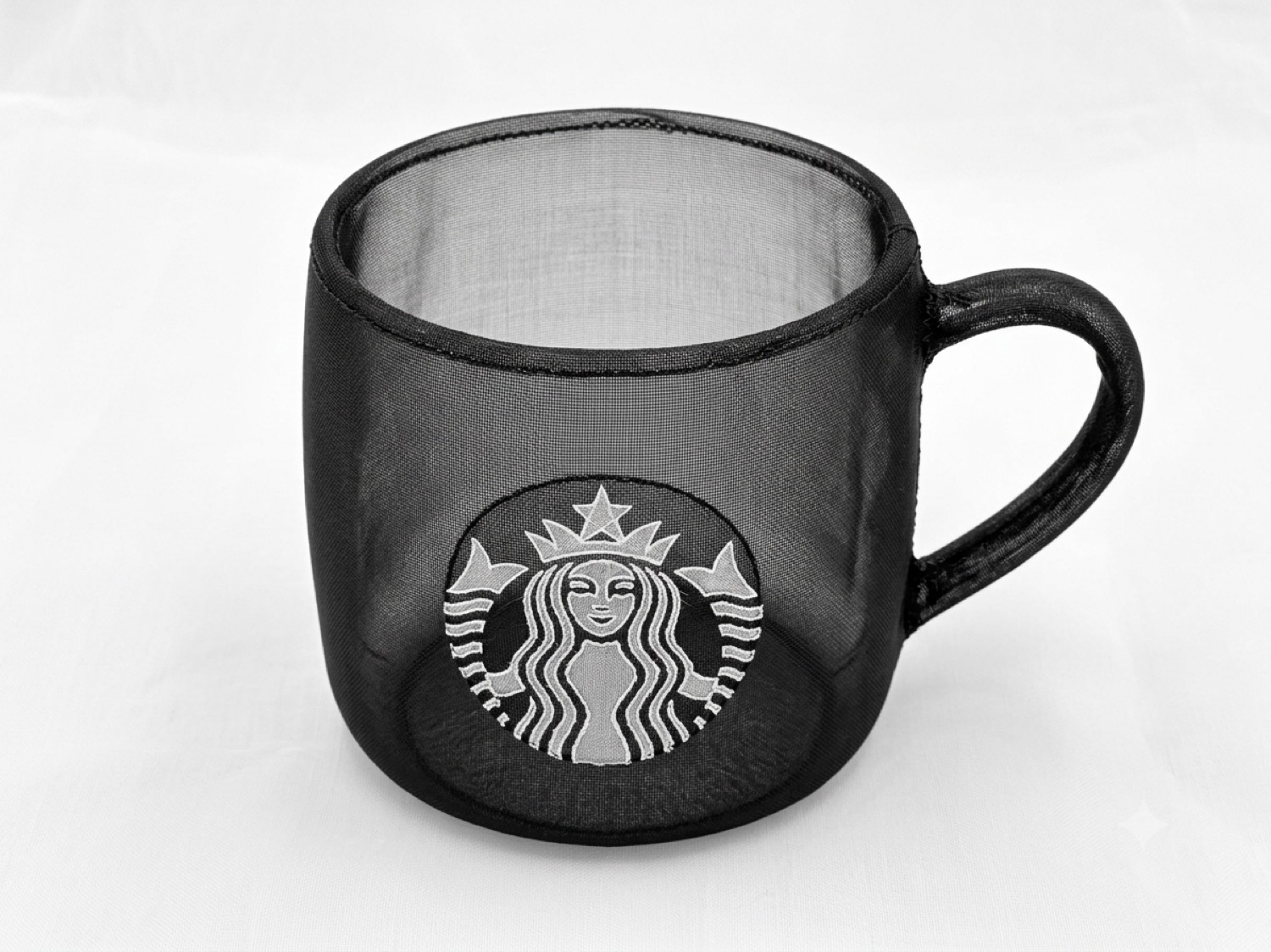
 BEFORE
AFTER
서도호 전시에서 받은 영감을, 일상에서 마주치는 물건으로 직접 옮겨볼 수 있도록 프롬프트를 만들었습니다. 참고 이미지 한 장만 넣으면 그 물건이 서도호 특유의 반투명한 물건으로 바뀝니다. 이미지 생성 AI는 ChatGPT나 Gemini 사용을 권장합니다.
Universal Fabric Transformation Prompt
Objective: Transform the object and accessories from the reference image (e.g., the electronic device and all cables) into a physical, handcrafted textile sculpture. The entire object must be constructed from delicate, translucent fabric, while retaining its exact original shape, proportions, viewing angle, and internal/external features.
Visual Style:

Aesthetic: Delicate handmade textile sculpture, refined craft, minimalist editorial product photography.
Subject: A detailed textile replica of the entire scene, including the device, cables, and power strip, placed on a custom fabric surface.
Object Construction & Textures:

Material: The primary outer casing of the device and the cable sheathing are made from fine, extremely thin, sheer polyester gauze or organza.
Texture: A clear, visible, fine woven textile pattern must be present across all surfaces.
Translucency: The fabric is highly semi-transparent. Critically, features on all sides—not just the ones directly facing the camera—must be rendered through this translucent fabric. For example, elements on the underside (if visible or implied by the object's logic) should be subtly visible through the side or front panels, softened and diffused by the material. (Note: Internal components are not explicitly depicted, but all structural forms are visible via translucency).
Functional Details: All original features (e.g., ports, LEDs, the logo, the cable shapes) must be preserved and recreated as delicate fabric and stitching elements, subtly visible beneath the sheer layer.
Stitching (Crucial):
Stitch Style: Fine, delicate, hand-stitched seams (perhaps a matching or very slightly darker thread) define all edges, corners, and openings (ports, logo edge, cable connections).
Layering/Shading: Do not use a dark stitch line for shading. Instead, where fabric panels meet or where intricate stitching is required (corners, multi-port areas), the resulting concentration of fabric layers and stitching must cause those specific areas to appear naturally darker and denser than the surrounding fabric.
Physicality: The fabric must show subtle tension and minimal, realistic wrinkles, giving the object a soft, tangible quality. All cables must be replicated as textile cords.
Color & Tone:

The overall scene maintains the original objects' color scheme (silver/grey device, black cables) but in soft, desaturated, translucent fabric versions. The transparency is the primary color modification. (Explicitly exclude pastel tones).
Background & Composition:

Composition: A centered, clean perspective, maintaining the original layout and all negative space.
Background: An infinite, clean studio environment.
Background Material: The ground plane and rear 'wall' are continuous surfaces covered in a bright, clean, white translucent fabric (e.g., silk or fine gauze). This background material must be uniform and perfectly arranged to provide a consistent, soft, bright field.
Lighting: Soft, highly diffused studio lighting that permeates the translucent surfaces, creating very gentle shadows and highlighting the complex interplay of fabric textures, layered stitches, and visible features.
Overall Goal: The final image should look like a meticulously crafted, real-world art installation where a familiar electronic device has been completely and physically re-made using sheer polyester fabric, preserving its complex identity and structure through layered translucency and precision stitching.자주 묻는 질문
서도호 전시는 언제 어디서 열리나요?
《서도호》는 국립현대미술관 서울에서 2026년 8월 27일부터 2027년 2월 9일까지 열립니다.
이 글에서 말하는 전시의 아하모먼트는 무엇인가요?
한지로 지은 성북동 집을 통해 완벽함을 다시 정의한 순간, 화려한 색감 대신 작품 요소에 담긴 의미가 주는 평안을 느낀 순간, 그리고 책상 위 머그컵에 서도호 미감을 입혀본 일, 이렇게 세 가지입니다.
서도호 미감을 일상 물건에 적용하는 방법이 있나요?
글에 실린 프롬프트와 참고 이미지 한 장을 이미지 생성 AI에 넣으면 그 물건이 서도호 특유의 반투명한 물건으로 바뀝니다. ChatGPT나 Gemini 사용을 권장합니다.
Aha Friends에게
무의식에 잠재된 완벽주의와 무심코 지나친 일상의 장면 속 아하모먼트를 이 전시에서 하나쯤 발견하실 수 있을 것입니다.
《서도호》는 국립현대미술관 서울에서 2026년 8월 27일부터 2027년 2월 9일까지 열립니다. 아직 관람 전이시라면 이 글로 분위기를 가볍게 느껴보시고, 기회가 될 때 직접 방문하여 자신만의 아하모먼트를 찾아보시길 바랍니다.